
Micro-Influencer Audit Guide: Spotting Fake Engagement
Learn how to identify fake engagement in micro-influencer accounts.
Understanding Micro-Influencers
Micro-influencers are individuals with a smaller but highly engaged following, typically ranging from 1,000 to 100,000 followers. They often have niche audiences and can provide brands with a more authentic connection. However, the rise of micro-influencers has also led to an increase in fake engagement, making it essential for brands and creators to conduct thorough audits.
Why Auditing Matters
For brands and marketers, partnering with micro-influencers can yield high returns on investment. However, if an influencer's engagement is inflated by fake followers or bots, the effectiveness of the partnership diminishes. Authentic engagement is critical for reaching target audiences and achieving marketing goals. Therefore, auditing micro-influencer accounts helps ensure that your marketing dollars are spent wisely.
Concrete Signals of Fake Engagement
When auditing micro-influencers, look for several key signals that may indicate fake engagement:
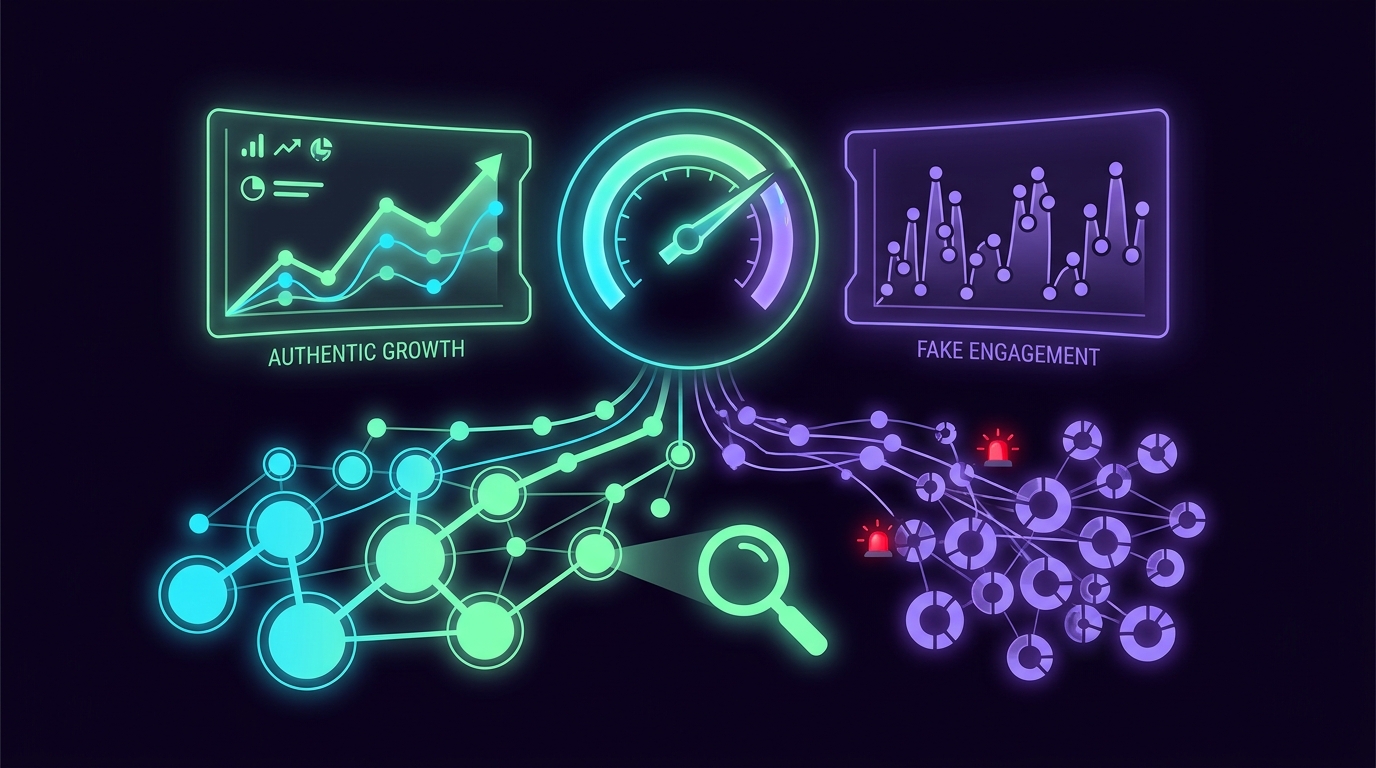
- Engagement Rate: Calculate the engagement rate by dividing the total number of likes and comments by the number of followers. A typical engagement rate on Instagram is around 2 percent. If the rate is significantly higher, it may indicate fake engagement.
- Follower Growth Patterns: Analyze the follower growth over time. Sudden spikes in followers without corresponding content growth or engagement can suggest the purchase of followers.
- Comment Quality: Review the comments on posts. Generic comments such as “great post” or “love this” often come from bots or paid accounts. Authentic comments tend to be thoughtful and relevant.
- Inactive Followers: Use tools to identify inactive accounts among the followers. A high percentage of dormant accounts can skew engagement metrics.
- Audience Location: Check the demographics of the audience. If a significant portion of the followers is from locations that do not align with the influencer's target market, it may be a red flag.
How to Act on Findings
After identifying potential red flags, take the following steps:
- Request Additional Data: Ask the influencer for insights into their audience demographics and engagement metrics. Authentic influencers should be transparent about their metrics.
- Cross-Reference Engagement: Compare the influencer's engagement with industry benchmarks. If their numbers are inconsistent with similar accounts, consider it a warning sign.
- Run an Audit Tool: Utilize tools like EngageCheck to score the authenticity of the influencer's audience. This can help quantify the level of fake engagement.
- Consider Alternative Influencers: If the audit reveals significant issues, it may be best to seek out other micro-influencers who demonstrate a more authentic engagement.
Frequently Asked Questions
What is a good engagement rate for micro-influencers?
A good engagement rate for micro-influencers generally falls between 2 percent and 5 percent, depending on the niche.
How can I identify fake followers?
Look for signs such as inactive accounts, generic comments, and sudden spikes in follower counts. Tools can also help identify fake followers.
Why is authenticity important in influencer marketing?
Authenticity ensures that your marketing efforts reach real, engaged audiences, leading to better brand awareness and ROI.
To ensure your partnerships yield the best results, consider running an EngageCheck audit on potential micro-influencers. This can help you make informed decisions and enhance your marketing strategy.
Check any account in seconds
Get an Audience Quality Score, a fake-follower estimate, and a real engagement rate for any public Instagram handle.
Start a free audit